

The Leggenda della Vera Croce and the sublime art of Piero della Francesca in Arezzo
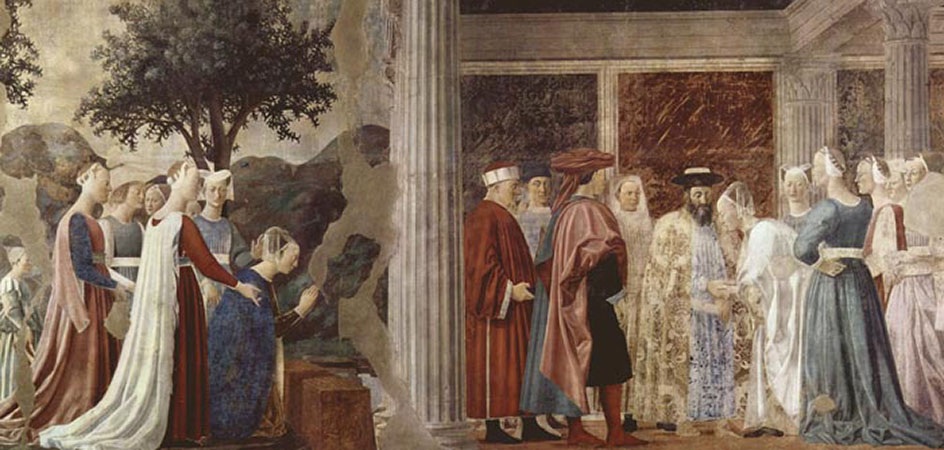
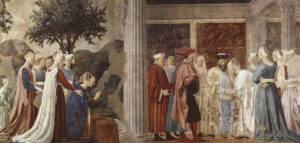
The Leggenda della Vera Croce in the Cappella Bacci of the Basilica of San Francesco in Arezzo is one of the most spectacular and innovative fresco cycles of the Renaissance, and one of Piero della Francesca’s absolute masterpieces. The chapel has now been fully converted into a museum and can now be visited in small groups: inside, the great artist’s painting reveals its beauty in full, thanks also to the masterful restoration that, after fifteen years, has restored its colours and expressive power. But what does it represent, and what makes this work so groundbreaking?
What is BeCulture?
BeCulture is the platform dedicated to culture, created to accompany and facilitate travellers, art enthusiasts and the curious in visiting cities, museums and cultural institutions. Through in-depth information and thematic routes, you can create a customised visit built around your interests. A unique and secure purchase that includes tickets, publishing and official and certified merchandise. AVOID THE
The evocative art of Guercino and his relationship with Rome
“There is a young man from Cento who paints with such felicity of invention, is a great draughtsman and a most skilful colourist…” With these words Ludovico Carracci (1555–1619) described in a letter the talent of Giovanni Francesco Barbieri, known as Guercino (1591–1666). Born in Cento, near Ferrara, Guercino showed a remarkable inclination for painting from an early age, which first led him to Bologna – where he came into contact with the great Emilian master – and then to Rome, in the service of the papal court.
The Eternal City still preserves some of the most memorable works of his entire production, precious testimonies of a new, personal and astonishing artistic language.
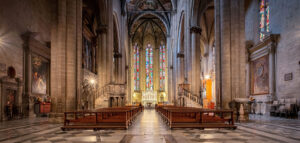
Things to see in Arezzo: must-see places, museums and artworks
There are few places in the world capable of transporting us back in time. Tuscany, with its art cities and ancient villages, is undoubtedly one of them. Together with Florence and Siena, Arezzo is steeped in a past that is still alive today, visible in its places and artworks – works that preserve their precious historical dimension. Let’s retrace them together.
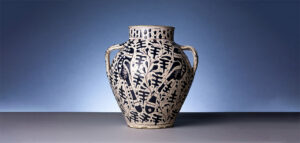
Italian Maiolica in the Renaissance: a triumph of styles, colours and forms
Human beings have always shaped the earth: clay, water, air and fire are the ingredients of an age-old tradition born for practical purposes but soon enriched by aesthetic intentions. Since antiquity, vases and other containers have been decorated with ornamental motifs, mythological stories, allegories and graphic elements reflecting the tastes of their time. On occasion, they even become symbols of an era, as happens during the Renaissance, when Italian maiolica is no longer associated merely with tableware but becomes a true collector’s item. Throughout the sixteenth century, the art of tin-glazed pottery evolved in its techniques, forms and style, giving rise to astonishing creations—remarkable in their beauty, variety and craftsmanship—that still captivate viewers today.
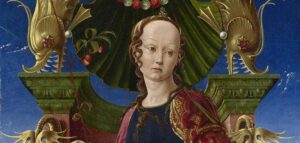
Cosmè Tura and the Ferrarese Renaissance: a new language at the Este court
He was the master of the Ferrarese Renaissance, yet his memory was lost for centuries, and even today we know very little about him and his training. Cosmè Tura – a multifaceted artist at the Este court during the second half of the fifteenth century – managed to blend the courtly taste of Gothic art with the innovations of Tuscan painting, creating a personal and distinctive style that would become a model for others to follow.
Let us retrace the life of this major figure of Italian art through some of his most celebrated masterpieces.
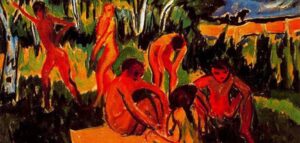
Art breaks away from the past. A century of revolution with the historical Avant-garde movements
It is well known that artists are often able to detect and interpret a shared feeling before it becomes widely recognised. This is precisely what happened with the Avant-garde movements of the 20th century: a succession of cultural movements which, in the early years of the century, gave voice to a widespread and stirring unease, irreversibly shaping the course of art and history.
The Leggenda della Vera Croce and the sublime art of Piero della Francesca in Arezzo
The Leggenda della Vera Croce in the Cappella Bacci of the Basilica of San Francesco in Arezzo is one of the most spectacular and innovative fresco cycles of the Renaissance, and one of Piero della Francesca’s absolute masterpieces. The chapel has now been fully converted into a museum and can now be visited in small groups: inside, the great artist’s painting reveals its beauty in full, thanks also to the masterful restoration that, after fifteen years, has restored its colours and expressive power. But what does it represent, and what makes this work so groundbreaking?
The evocative art of Guercino and his relationship with Rome
“There is a young man from Cento who paints with such felicity of invention, is a great draughtsman and a most skilful colourist…” With these words Ludovico Carracci (1555–1619) described in a letter the talent of Giovanni Francesco Barbieri, known as Guercino (1591–1666). Born in Cento, near Ferrara, Guercino showed a remarkable inclination for painting from an early age, which first led him to Bologna – where he came into contact with the great Emilian master – and then to Rome, in the service of the papal court.
The Eternal City still preserves some of the most memorable works of his entire production, precious testimonies of a new, personal and astonishing artistic language.
Things to see in Arezzo: must-see places, museums and artworks
There are few places in the world capable of transporting us back in time. Tuscany, with its art cities and ancient villages, is undoubtedly one of them. Together with Florence and Siena, Arezzo is steeped in a past that is still alive today, visible in its places and artworks – works that preserve their precious historical dimension. Let’s retrace them together.
Italian Maiolica in the Renaissance: a triumph of styles, colours and forms
Human beings have always shaped the earth: clay, water, air and fire are the ingredients of an age-old tradition born for practical purposes but soon enriched by aesthetic intentions. Since antiquity, vases and other containers have been decorated with ornamental motifs, mythological stories, allegories and graphic elements reflecting the tastes of their time. On occasion, they even become symbols of an era, as happens during the Renaissance, when Italian maiolica is no longer associated merely with tableware but becomes a true collector’s item. Throughout the sixteenth century, the art of tin-glazed pottery evolved in its techniques, forms and style, giving rise to astonishing creations—remarkable in their beauty, variety and craftsmanship—that still captivate viewers today.
Cosmè Tura and the Ferrarese Renaissance: a new language at the Este court
He was the master of the Ferrarese Renaissance, yet his memory was lost for centuries, and even today we know very little about him and his training. Cosmè Tura – a multifaceted artist at the Este court during the second half of the fifteenth century – managed to blend the courtly taste of Gothic art with the innovations of Tuscan painting, creating a personal and distinctive style that would become a model for others to follow.
Let us retrace the life of this major figure of Italian art through some of his most celebrated masterpieces.
Art breaks away from the past. A century of revolution with the historical Avant-garde movements
It is well known that artists are often able to detect and interpret a shared feeling before it becomes widely recognised. This is precisely what happened with the Avant-garde movements of the 20th century: a succession of cultural movements which, in the early years of the century, gave voice to a widespread and stirring unease, irreversibly shaping the course of art and history.